
Repeated manual requests
Operator identification and nodal follow-ups can consume time when requests arrive from several cases.
Explore supported nodal workflows Learn more →
Explore CyberSaathi’s CDIA analysis software portfolio together with Admin and Field Officer applications for location-aware task coordination. Available modules and integrations are confirmed against the evaluated release.
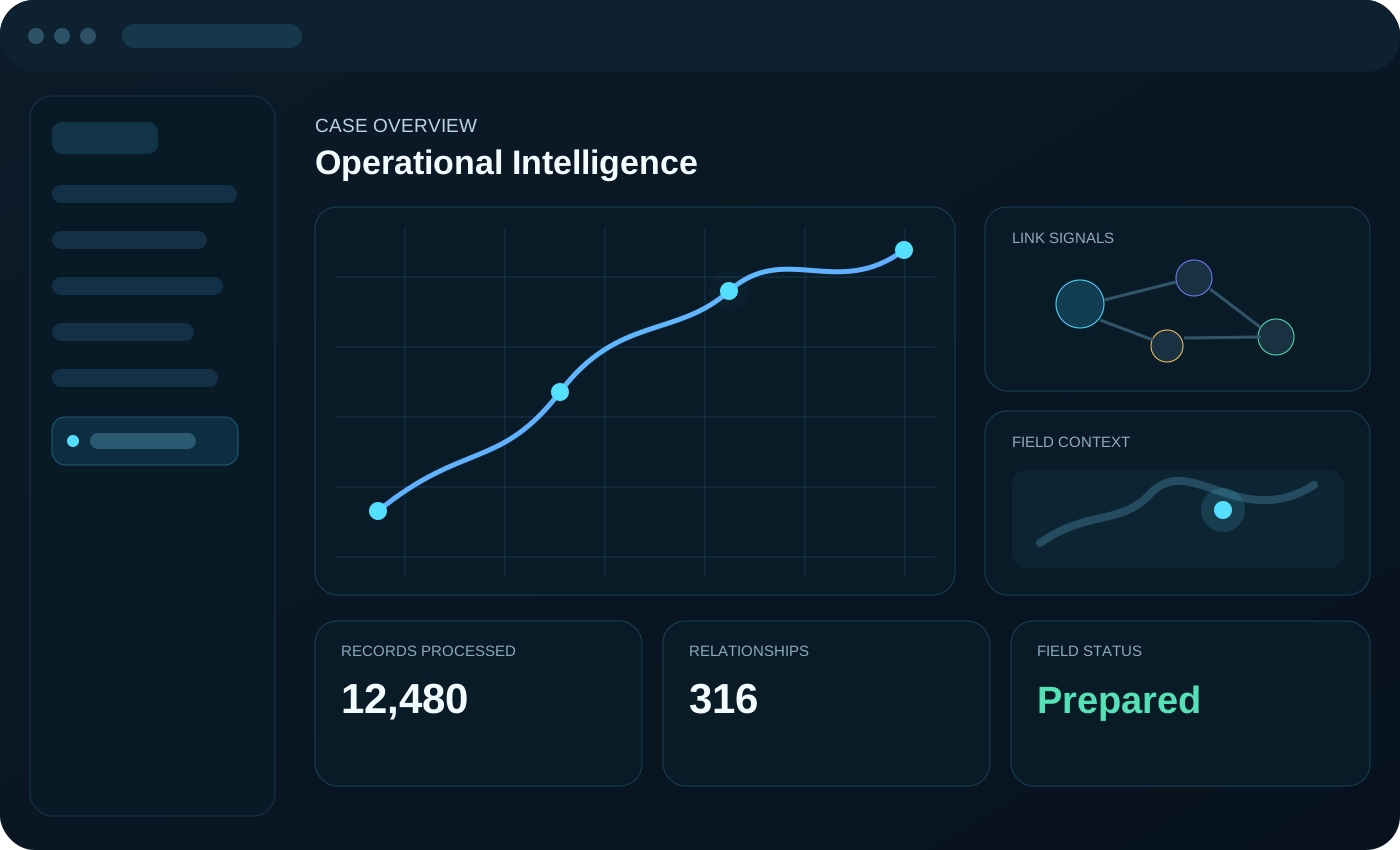
Investigate authorized communications, IP records and cell-site datasets with source-aware outputs; determine the tested capability set during evaluation.
Common numbers, frequency, IMEI, time and relationship reports.
Explore CDR → 02 / IPDRIP/port/time-aware session context and source limitations.
Explore IPDR → 03 / TOWERTime-window, common device and approximate tower context.
Explore Tower →Authorized teams manage high request volumes, multiple data sources and field updates. The goal is to organize those steps with clarity, source context and accountable review.
Operator identification and nodal follow-ups can consume time when requests arrive from several cases.
Case notes, telecom records, visual links and field updates may sit in separate operational systems.
Missing or incomplete location records and tower-based estimates require careful interpretation, not guesswork.
When assignments, updates and approvals are manual, it becomes harder to understand what changed and when.
Capabilities depend on the approved product release, configured integrations, data availability and lawful authorization. No time-saving or location-accuracy figures are implied.
The four products share CyberSaathi’s investigation capabilities: records, relationships, geographic context and controlled operational outputs—with deployment depth varying by product.
Structure call-detail data into practical timelines, patterns, common entities and investigative signals.
→Bring supported IP-related records into a focused analytical workflow with contextual relationships.
→Visualize tower, sector and derived geographic context while clearly labeling approximate outputs.
→Surface relationships between numbers, devices, subscriber context, towers and case entities.
→CyberSaathi has four commercial product lines. CDR, IPDR, link analysis, location, tower and field intelligence remain shared platform capabilities behind these products.
Two focused mobile applications: Admin + Field Officer.
Explore product →Analyst software for Windows, Linux and macOS.
Explore product →Managed CyberSaathi access through a secured cloud environment.
Explore product →The complete CyberSaathi environment deployed inside the customer’s infrastructure.
Explore product →CyberSaathi is organized around a traceable analytical chain so teams can understand what the data shows, what the platform derives and what still requires verification.
CyberSaathi connects desk-led decisions with authorized field tasks, role permissions and traceable updates.
Case/task coordination, officer assignments and approvals through supported Admin App workflows.
Admin App →Review assigned tasks, permitted location context, remarks, progress and history.
Field Officer App →CyberSaathi Mobile distinguishes the administrator's coordination workflow from the field officer's assigned work.
For authorized desk teams coordinating cases, assignments, reviews and operational status through configured workflows.
For officers receiving approved tasks, reviewing relevant context and posting updates from their field workflow.
Screens and functions shown here describe product workflows for evaluation; availability must be checked against the customer deployment.
Review the product through three core perspectives. These visuals use synthetic sample data and are placeholders for final anonymized screenshots from the production application.

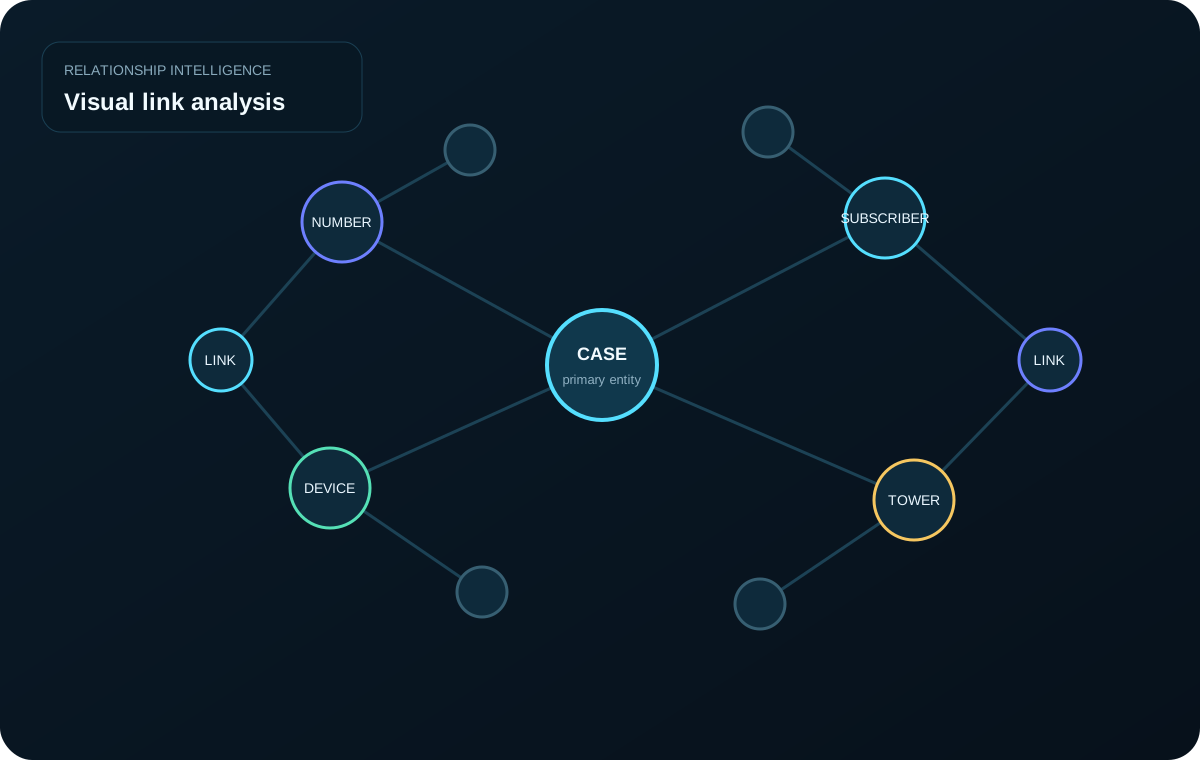
The product architecture is built around practical investigation needs rather than separate analytical islands.
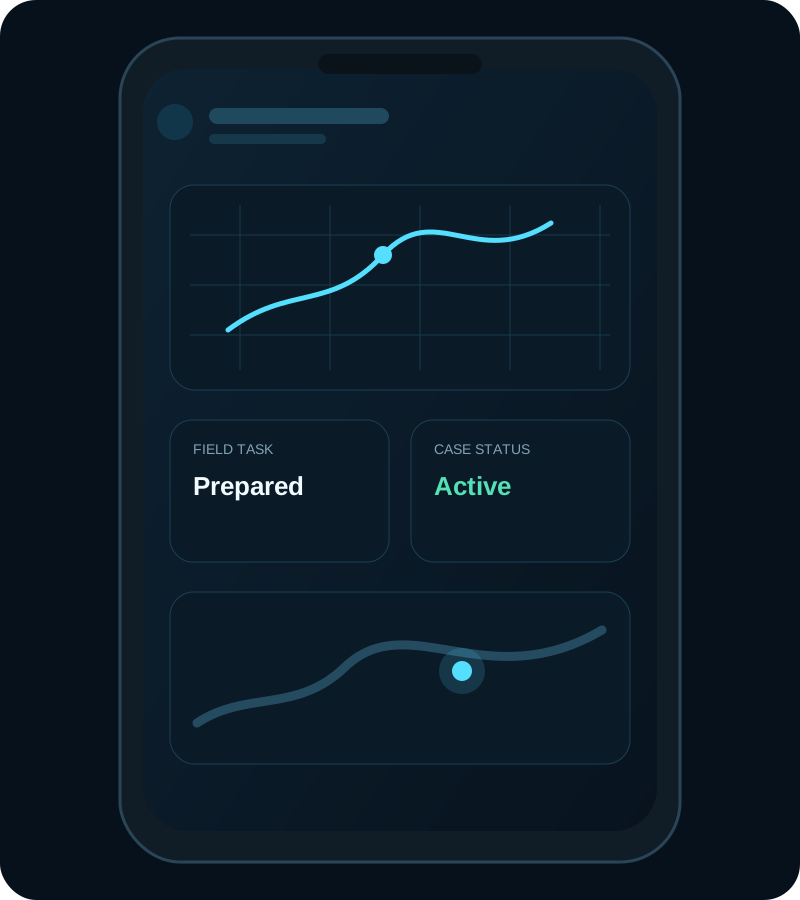
CyberSaathi is designed around a coordinated admin/desktop and field-officer/mobile experience so analytical context can be prepared centrally and presented appropriately for field operations.
CyberSaathi.in is the public website. Production applications, APIs, staging environments, credentials and case data should remain isolated behind their own security controls.
The product should make intended use, access control, auditability and the distinction between analytical leads and verified facts explicit—both in the website and in product workflows.
Request a controlled demonstration to review capabilities, deployment requirements and integration needs.